


If there is one cardinal sin in a Caribbean household, it is walking past an elder, or anyone, really, without acknowledging their existence.
Growing up, my mother made it very clear that invisibility was not an option. You could not slink into a room, keep your head down, and quietly take a seat. Absolutely not. If you entered a space where other human beings were present, you were expected to project your voice and deliver a greeting.
“You don’t have a mouth? You didn’t see people sitting there?” Those rhetorical questions were the quick, sharp corrections that came if I ever forgot myself. To this day, I cannot walk into a waiting room, step onto a bus, or enter a small shop without offering a general, “Good morning,” or “Good afternoon.” It is practically hardwired into my DNA.
In part two of this series, we are talking about the ultimate Caribbean currency: manners.
The “Good Morning” Rule
In many Western cultures, a greeting is a nicety, something you do if you make eye contact or if you know the person. In the Caribbean, a greeting is an acknowledgment of shared humanity (or it use to be). When my mother forced me to say “Good morning” to the neighbors, the church aunties, and even strangers, she wasn’t just teaching me to be polite.
She was teaching me that everyone is worthy of being seen. Refusing to greet someone is viewed as a sign that you think you are better than they are. And if there’s one thing a Caribbean mother will not tolerate, it is a child with “too much stushness” (arrogance).
You Represent the House
In island culture, you don’t just move through the world as an individual; you move as an ambassador for your family. Your behavior is a direct reflection of your mother’s upbringing.
When my mother sent me out the door, she would often say, “Don’t go out there and shame me.” It sounded heavy at the time, but it instilled a profound sense of accountability. I learned early on that my actions had a ripple effect. If I was disrespectful, the community wouldn’t just look at me; they would look at her. The phrase “she has no brought-upsy” (meaning a lack of proper upbringing) was the ultimate insult. My mother’s demand for good behavior was a shield to protect our family’s name and my own character.
Manners Open Doors
My mother didn’t have endless financial resources. We didn’t have VIP connections, trust funds, or a famous last name. But she firmly believed that good manners were a skeleton key that could unlock almost any door.
“Manners take you through the world.” She repeated this like a mantra. She taught me that how you treat the janitor, the bus driver, and the street vendor is the truest measure of who you are. She knew that people remember how you make them feel. A polite request, a genuine “Thank you,” and a respectful tone can get you further than money ever could.
When I look back, I realize her strict rules about respect weren’t about control. They were about survival and my success. She was equipping me with the most valuable, inflation-proof currency she had.
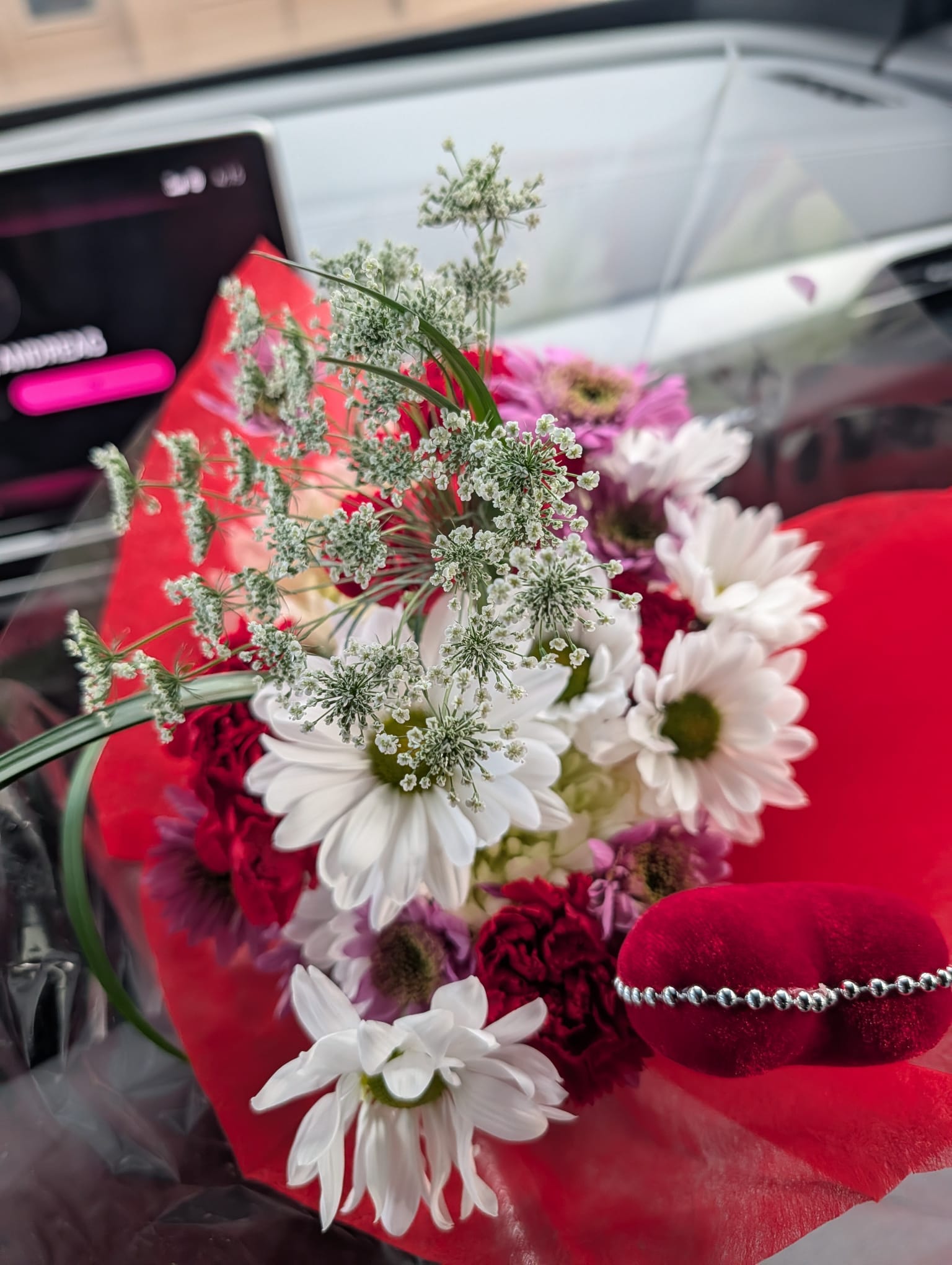
Hi Ma, I am on my way and these flowers are for you. Thank you for everything😘
Consider growing with me
Alright, over to you: Did you have a strict “greeting rule” in your house growing up? Have you ever caught yourself giving the same lecture to someone else? Let’s talk about it in the comments.
I have been taken aback by someone entering a room full of strangers and, with a smile, saying "good morning." I remembered how it made me feel about the words, but a deep, good feeling about the person. I was never taught that growing up, but now, later in life, I no longer walk into a room without saying good morning or evening. I now look at people, smile, and just say a simple hello. I must admit, the ones who taught me this courtesy were people of color. That is why diversity is a wonderful thing to have in the world. I am grateful.
Absolutely! I just said, “Good morning” to my two dogs. ☺️
Polite acknowledgment of people in every station of life is not only good manners, but was historically vital to the success of Black students and professionals. My dissertation is on Black othermothers - women in supporting and often invisible roles who provide unwritten, invaluable guidance. They were often the keepers of inside knowledge only afforded to those with a permanent invitation to the party because of race, gender, or pedigree. Yes, manners matter!