


Many individuals are experiencing chronic housing stress. Although we worry about being able to make rent every month, somehow we turn up the effort, and make it, even if barely. Overtime we learn how to function in a sustained state of alertness as triggered by our instability of our basic needs. Take this familiar feeling that you can relate to and amplify it. For some of our neighbors this real amplified state is homelessness.
The most fundamental driver of homelessness is a mathematical reality: a chasm between stagnant wages and the skyrocketing cost of housing. I don’t know about you but this is incredibly scary. The margin between us and our neighbors are closing rapidly because the math is failing. No amount of personal budgeting, financial literacy, or frugality can generate rent money when a full-time, minimum-wage job cannot cover a one-bedroom apartment in the vast majority of the country.
Let’s also mention supply and zoning. Systemic issues like exclusionary zoning laws, underinvestment in public housing, and the financialization of the real estate market have severely limited the supply of affordable units. We cannot cope your way into a home that does not exist.
Housing insecurity in particular is not only a financial stressor. It is a psychological threat to our individual safety and community identity. Stable shelter is one of the foundational conditions for nervous system regulation. See Maslow’s Hierarchy of Needs below. When that stability is uncertain, when eviction risk, rising rent, overcrowding, or sleeping in your car becomes part of daily thought, stress is no longer episodic. It becomes ambient.
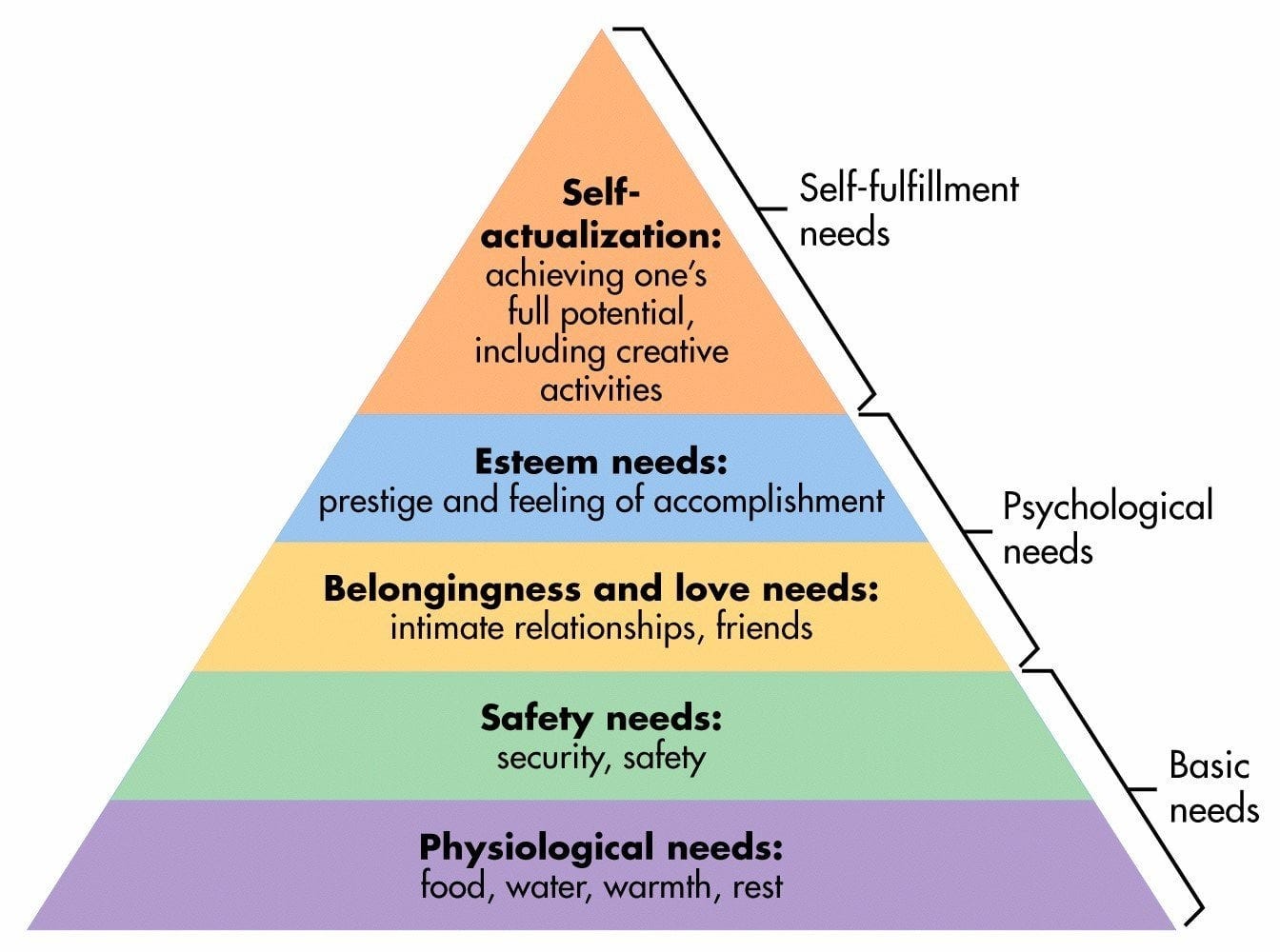
Maslow’s Hierarchy of Needs
Homelessness and housing insecurity: the emotional continuum
Homelessness is often discussed as a categorical condition, housed or unhoused.
To understand the crisis of homelessness, it is crucial to recognize that individual resilience, while often extraordinary, cannot solve a structural deficit. Unhoused individuals frequently employ immense coping skills just to survive daily life, finding safe places to sleep, securing food, and managing the deep trauma of instability. However, placing the burden of escaping homelessness entirely on individual coping mechanisms ignores the massive, overlapping systemic failures that cause and perpetuate the crisis.
Homelessness forces individuals into a chronic state of “fight or flight.” When a person is unhoused, their daily cognitive load is entirely consumed by immediate survival: staying warm, avoiding violence, and finding the next meal.
I know times are incredibly tight right now. For many of us, simply providing for our own families takes every ounce of energy and resource we have. My goal isn’t to add to your burden or cause frustration during an already stressful season, which is why I’m reaching out early, giving us all time to plan.
I believe deeply in the power of a community that shares its bread, even when the loaves are small. As you begin sorting through your family’s closets and drawers for the back-to-school season, I am asking you to look for a way to share what you can. If you find gently used clothing that no longer fits, please start a donation pile.
I also know that for some of you, giving anything away is impossible right now because every single layer is vital to your own family’s survival. If that is your reality, I see you and I completely understand.
But you still have something incredibly valuable to give: your voice. Please share this post. Restack it, and add a quick note about why taking care of our community matters to you. Your single share might be the exact spark needed to reach the person who has the resources we need today.
As temperatures drop this fall, one of the most immediate ways to support your unhoused neighbors is by providing weather-appropriate gear and essential supplies to local shelters and mutual aid groups. Focus on high-demand, practical items like new thermal socks, sleeping bags, insulated gloves, hand warmers, and waterproof outerwear.
You can also assemble and carry care kits in your car or bag, gallon-sized ziplock bags containing these cold-weather essentials alongside basic hygiene products, bottled water, and high-protein snacks.
Our home video: Turning giving into tradition and legacy
Additionally, volunteering your time at food banks, soup kitchens, or warming centers is an incredibly impactful way to provide direct, hands-on assistance during the seasonal transition.
Beyond material donations, offering fundamental human dignity and advocating for systemic change are equally crucial.
Simply acknowledging unhoused individuals with a warm greeting or a brief, respectful conversation can help counter the severe isolation they often experience.
On a broader scale, you can make a lasting difference through local advocacy, attend city council meetings, support zoning changes that allow for more affordable housing, and back community initiatives that fund permanent supportive housing and mental health resources. Look for these issues at the polls when you go to vote. Effective support requires a balance of meeting immediate survival needs and fighting for the long-term, structural solutions necessary to end homelessness.
Where to start?
Drive down the street and put the above items directly into the hands of an unhoused neighbor.
or
Find a local shelter, outreach program, and volunteer opportunities.
If you can go bigger, here are the most reliable national databases you can use to find where to help:
HUD’s Find Shelter Tool (hud.gov/findshelter)
211.org (or dialing 2-1-1)
Homeless Shelter Directory (homelessshelterdirectory.org)
National Coalition for Homeless Veterans (nchv.org)
Ending the crisis requires structural solutions, such as Housing First initiatives, living wages, and universal access to healthcare, that address the root systemic failures. Until then let’s mind the words of the honorable Nelson Mandela, who said, “Overcoming poverty is not a gesture of charity. It is an act of justice. It is the protection of a fundamental human right, the right to dignity and a decent life.”